
Shop All Exterior Doors
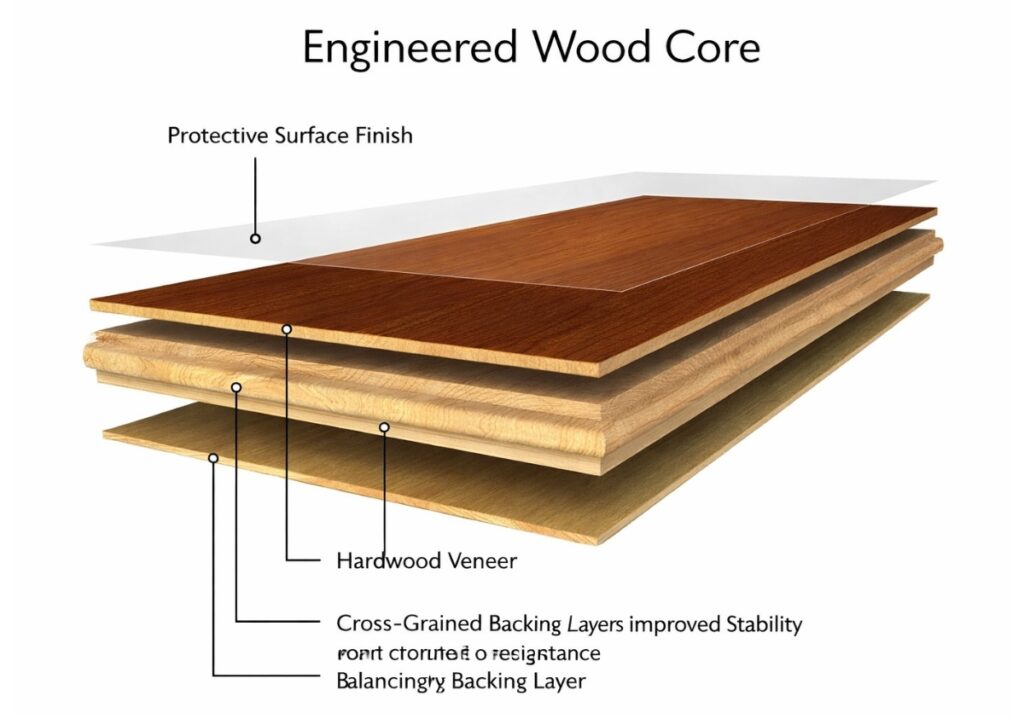
This resource section provides technical construction references for different door types used in residential and commercial applications.
This technical resource explains the internal structure, materials, and performance characteristics of engineered core interior doors, focusing on construction principles rather than product selection.
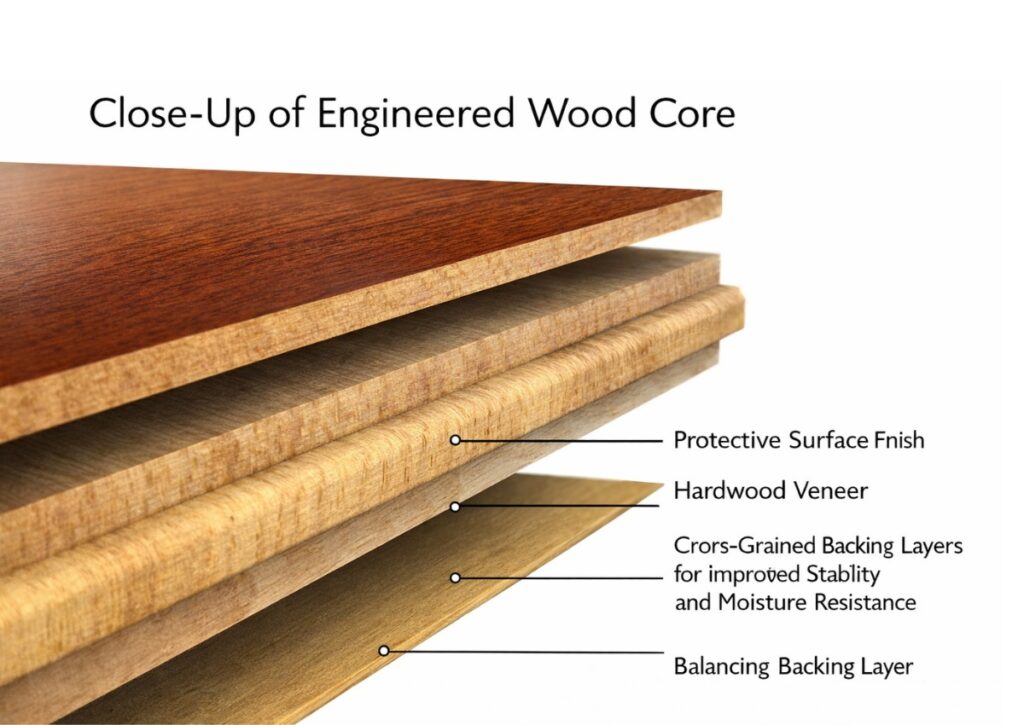
Engineered core door systems are designed to deliver superior dimensional stability, structural strength, and long-term performance compared to traditional solid wood cores.
Unlike single-piece wood construction, engineered cores are built using multiple layers of cross-grained wood materials that work together to reduce expansion, contraction, and warping caused by humidity and temperature changes.
This document outlines how solid core interior doors are constructed, how their internal components function together, and why this construction method is commonly specified in modern building projects.
The engineered core construction consists of carefully arranged wood layers bonded under controlled conditions.
This cross-grained structure enhances:
Dimensional stability
Moisture resistance
Structural integrity
Consistent door performance over time
Each layer plays a role in balancing internal stresses, helping the door maintain its shape in residential and multi-unit applications.
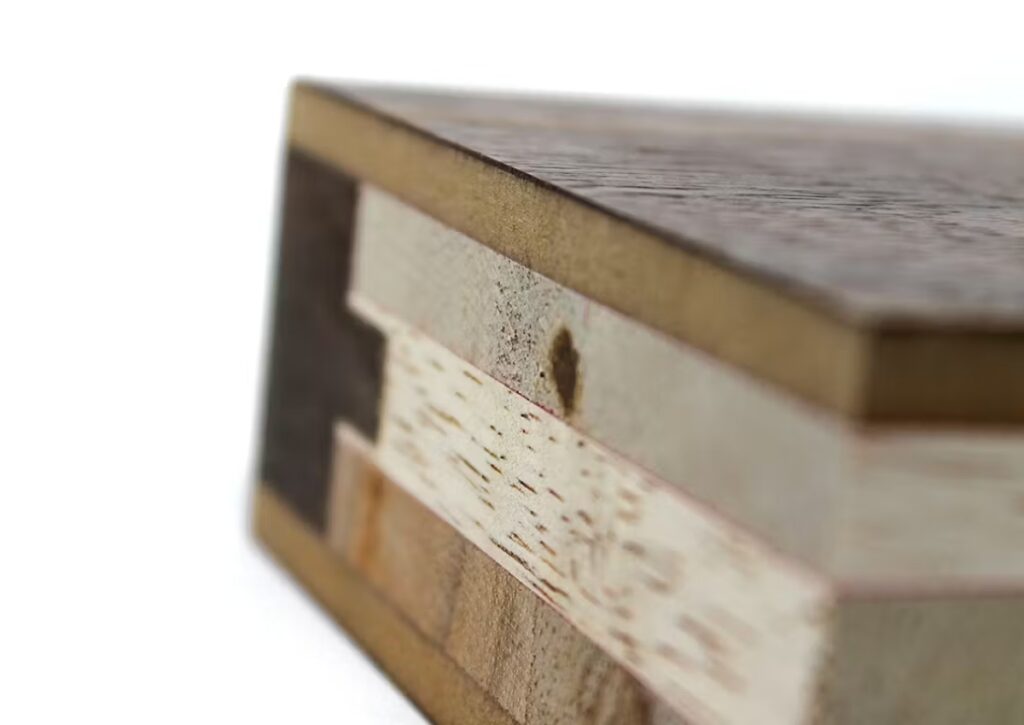
As a door manufacturer and system integrator based in Ontario, we incorporate engineered core materials into complete door assemblies designed for durability, performance, and compatibility with modern door construction methods.
Engineered cores are commonly used in interior and exterior door systems where stability, weight balance, and long-term reliability are critical.
Solid core interior doors offer improved sound attenuation due to their increased mass and internal density. While not classified as soundproof assemblies, they help reduce airborne sound transmission between interior spaces.
This makes them suitable for:
Bedrooms
Home offices
Condominiums and apartments
Interior professional environments
Solid core construction provides a more robust base for fire-rated interior door assemblies when combined with appropriate materials and manufacturing methods. The solid internal structure supports enhanced resistance compared to hollow constructions.
Fire performance depends on the complete door assembly, including core materials, surface layers, and installation methods.
Engineered core interior doors are commonly specified for residential and multi-unit interior environments due to their structural stability and material consistency. To view available interior door designs and engineered core configurations, explore our interior doors collection.


Fill out the form below, and we will be in touch shortly.
Fill out the form below, and we will be in touch shortly.